New Windows, New Comfort

Old windows do more than look outdated. They leak air, waste energy, and make homes harder to keep comfortable year-round. Drafts creep in during winter, while heat seeps through during summer months. Replacing these windows solves multiple problems at once. It improves comfort, cuts energy costs, and updates the entire look of a home. Here is what homeowners should know before starting the process.

Upgrading Comfort One Window at a Time

Tired of feeling drafts every time it gets windy outside? Trusted Window Replacement Denver homeowners choose brings lasting comfort and real energy savings. Here is where to start.

Energy Efficiency Makes a Difference

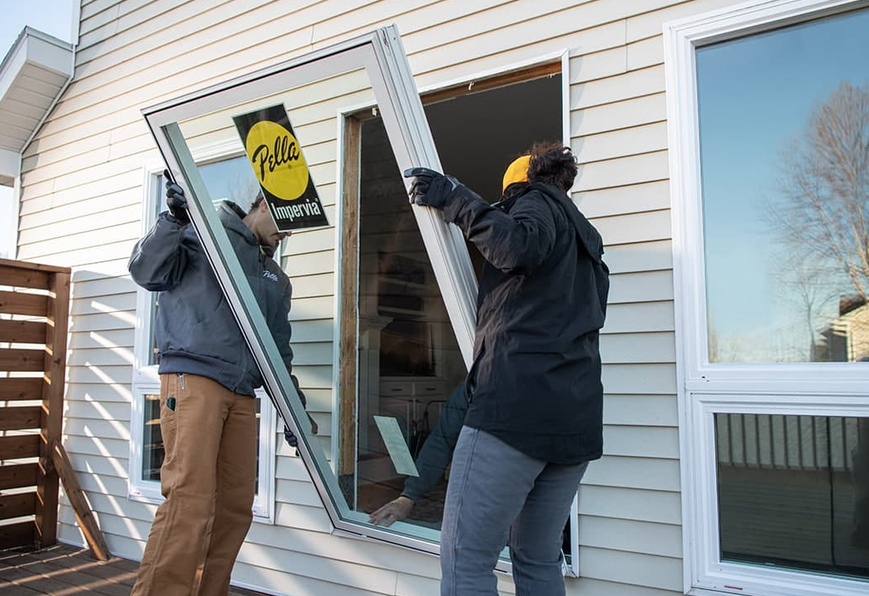
Old windows leak air around frames and through worn seals. This forces the heating and cooling systems to work harder than necessary. New windows with proper insulation and modern glazing reduce this waste significantly. Double or triple pane options trap air between layers, creating a barrier against outside temperatures. Homeowners often notice lower energy bills within the first few months after replacement work finishes.

Choosing the Right Frame Material

Frame material affects both performance and appearance. Vinyl frames offer excellent insulation and require little maintenance over time. Wood frames provide classic charm but need more upkeep to prevent warping. Fiberglass combines durability with strong energy performance, though it costs more upfront. Matching frame material to climate and budget ensures windows perform well for decades rather than needing early replacement or frequent repairs.

Glass Options Matter More Than Expected

Not all glass performs the same way. Low emissivity coatings reflect heat while still allowing natural light inside. This keeps homes cooler in summer and warmer in winter. Gas filled panes, often argon or krypton, add another layer of insulation between glass layers. These upgrades cost more initially but pay off through improved comfort and reduced strain on heating and cooling systems throughout the year.

Proper Installation Prevents Future Problems

Even high-quality windows fail without correct installation. Poor sealing around frames allows air and moisture to seep through, undoing much of the energy benefit. Skilled installers measure precisely and use appropriate flashing and insulation techniques. This attention to detail prevents leaks and drafts down the road. Choosing experienced professionals over the lowest bid often means fewer problems and better long-term performance.

Boosting Home Value and Appeal

New windows refresh a home’s appearance both inside and out. They eliminate outdated styles and improve curb appeal instantly. Buyers view updated windows as a sign of a well-maintained property, which can influence offers during a sale. Beyond appearance, the energy savings and improved comfort make daily living more enjoyable. This combination of value and function makes replacement a smart long-term investment.

Conclusion: Upgrading Comfort One Window at a Time

Replacing old windows delivers benefits far beyond appearance. Energy efficiency, proper frame selection, and quality glass all work together to improve comfort year-round. Correct installation ensures these benefits last for decades rather than fading quickly. Combined with improved curb appeal and home value, window replacement stands out as one of the smartest upgrades a homeowner can make.

Digging Into the Right Excavation Partner

Every successful construction project starts below the surface. Poor site preparation leads to drainage issues, foundation problems, and costly delays later. The right excavation work sets the stage for everything built afterward. Whether preparing land for a new home or reshaping a commercial lot, choosing skilled professionals makes all the difference. Here is what property owners should understand before breaking ground.

Finding the Right Team for the Job

Wondering what separates a smooth excavation project from a stressful one? Working with a trusted local excavation company sets the right foundation from day one. Here is what to look for.

Site Assessment Comes First

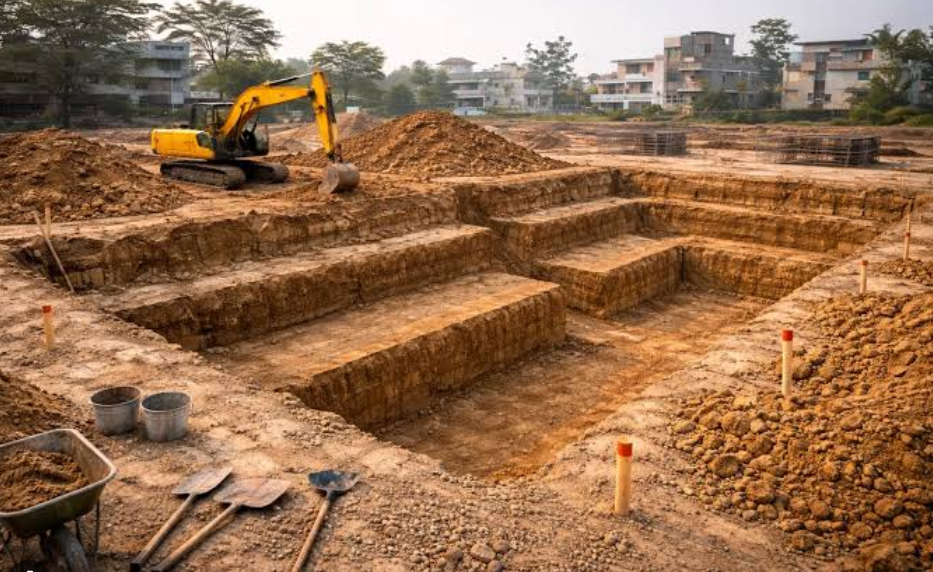
Every project begins with a thorough site assessment. Soil type, slope, and drainage patterns all affect how excavation should proceed. Skipping this step often leads to unexpected problems once work begins. Experienced crews test soil conditions and identify potential obstacles early. This upfront evaluation prevents costly surprises during construction. A proper assessment saves both time and money throughout the entire project timeline.

Proper Grading Prevents Future Problems

Grading determines how water moves across a property. Poor grading causes pooling near foundations, which leads to leaks and structural damage over time. Skilled excavation teams shape the land to direct water away from buildings. This step protects everything constructed afterward, from driveways to entire homes. Getting grading right the first time avoids expensive repairs and drainage issues that often surface years later.

Equipment and Expertise Matter

Excavation requires more than just heavy machinery. Skilled operators understand how to work efficiently without damaging surrounding areas. They know how deep to dig, how to handle rocky soil, and how to avoid underground utilities. Inexperienced crews risk costly mistakes that delay projects and increase expenses. Choosing a team with proper equipment and trained operators reduces risk and keeps projects moving forward smoothly.

Safety Cannot Be an Afterthought

Excavation work carries real risks if safety protocols are ignored. Trench collapses and equipment accidents happen when proper procedures are skipped. Reliable contractors follow strict safety standards on every job site. This includes shoring trenches, marking utility lines, and using appropriate protective equipment. Prioritizing safety protects workers and prevents costly liability issues for property owners overseeing the project.

Communication Keeps Projects on Track

Clear communication prevents misunderstandings throughout a project. A reliable contractor explains timelines, potential challenges, and cost estimates before work begins. Regular updates during the project help property owners stay informed. This transparency builds trust and reduces stress on both sides. Choosing a team that communicates well often leads to smoother results and fewer surprises along the way.

Conclusion: Finding the Right Team for the Job

Successful excavation depends on thorough assessment, proper grading, and skilled expertise. Safety and clear communication round out what separates a reliable contractor from a risky choice. These factors work together to create a solid foundation for any project. With the right team in place, property owners can move forward with confidence and avoid costly setbacks down the road.

Why the Remodeling Contractor You Choose Defines the Entire Experience

Remodeling projects live or die by the team behind them. Materials can be matched. Designs can be replicated. The contractor executing the work cannot be substituted once the project begins. That decision shapes everything from the first planning conversation through the final walkthrough.

The Right Contractor Makes Every Difference

Every remodeling project reflects the standards of the team managing it. Homeowners ready to invest in lasting results connect with experienced Boise remodeling contractors whose planning discipline, communication standards, and craftsmanship quality deliver finished spaces worth every dollar invested.

Planning Quality Separates Smooth Projects from Stressful Ones

Remodeling projects that run smoothly were planned thoroughly before anyone picked up a tool.

Scope defined completely in writing. Material selections finalized before installation begins. Trade sequences coordinated before the first day of work.

Contractors who invest in this planning discipline consistently deliver projects that stay on budget and on schedule. Those who rush to start work without it consistently discover why that rushing costs more than the planning would have.

Communication Standards Reveal Contractor Character Early

How a contractor communicates during the sales process predicts how they will communicate during the project.

Do they return calls promptly? Do they answer questions specifically? Do they provide written documentation without being asked?

These behaviors during the low-stakes period before commitment reveal the communication standards homeowners will experience during the high-stakes period when the project is underway and decisions matter.

Subcontractor Quality Affects Every Trade in the Project

Most remodeling projects involve multiple trades. Electrical. Plumbing. Tile. Each one affects the trades that follow.

A general contractor whose subcontractor relationships are built on consistent quality standards delivers uniform results across every phase. One whose subcontractor selection prioritizes availability over quality creates inconsistencies that show up in the finished product regardless of how well the primary work was executed.

Finished Details Reveal True Craftsmanship Standards

Broad strokes look similar between contractors. Details reveal the difference.

Trim lines that are perfectly straight. Tile grout joints that are consistent throughout. Hardware that is precisely aligned. Transitions between materials that are clean and intentional.

These details are where genuine craftsmanship shows itself. They are also where shortcuts taken during installation become permanent features of the finished space that no subsequent touch-up fully corrects.

Conclusion: The Right Contractor Makes Every Difference

To sum it all up, remodeling success comes from thorough planning, honest communication, quality subcontractor relationships, and genuine attention to finished details. Choose a contractor whose standards cover every one of these dimensions and the finished space will reflect that investment every single day.

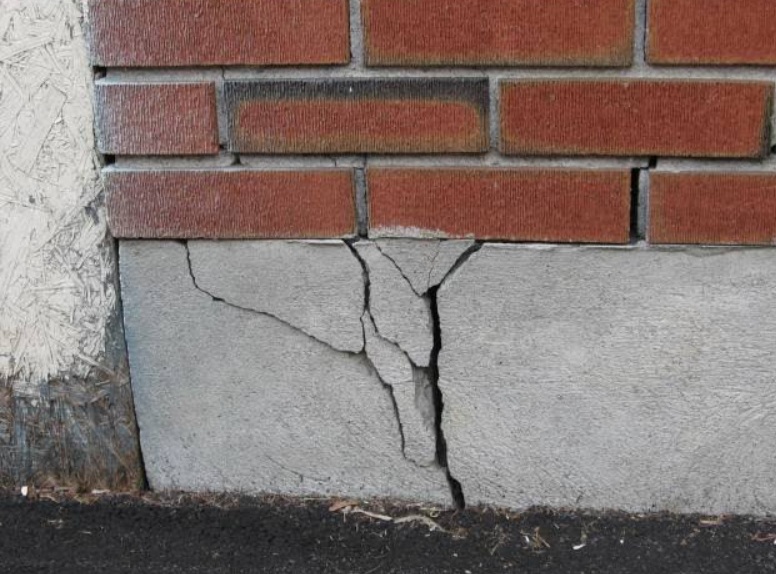
Not Every Crack Means the Same Thing

Cracks appear in foundations for many reasons. Some are cosmetic. Some are structural. Some are actively worsening. Others stabilized years ago and pose no ongoing risk. Knowing the difference determines whether a homeowner needs immediate professional intervention or simply monitoring. Getting that assessment wrong in either direction carries real consequences.

Accurate Assessment Protects Both Property and Peace of Mind

Overreacting to cosmetic cracks wastes money on unnecessary repairs. Underreacting to structural ones allows conditions to worsen until intervention becomes significantly more complex and expensive. Homeowners who want accurate answers connect with qualified Fort Wayne Foundation Repair Experts whose diagnostic experience distinguishes genuine structural concerns from cosmetic variations that require no intervention beyond monitoring.

Crack Pattern Reveals the Type of Movement Involved

To begin with, the pattern, orientation, and location of a crack communicate specific information about the type of foundation movement that produced it. Horizontal cracks in basement walls indicate lateral soil pressure pushing inward. They represent some of the most serious foundation conditions because they signal structural capacity reduction in the wall itself. Diagonal cracks running from corners of windows and doors typically indicate differential settlement where one portion of the foundation has moved relative to another. 

Crack Width and Change Over Time Indicate Urgency

Furthermore, crack width provides an important initial indicator of severity that homeowners can monitor themselves between professional assessments. Hairline cracks measuring less than a millimeter typically indicate shrinkage or minor movement that monitoring rather than immediate repair addresses appropriately. Cracks wider than a quarter inch indicate more significant movement that warrants professional evaluation without delay. The most important monitoring activity any homeowner can perform is tracking whether a crack is growing. Marking crack endpoints with pencil and dating them creates a simple record that reveals whether movement is ongoing or historical. 

Moisture Presence Changes the Urgency Equation

Another factor that elevates the urgency of professional assessment regardless of crack size or pattern is the presence of moisture infiltration through foundation cracks. Water entering through foundation cracks causes damage that extends well beyond the crack itself. It saturates surrounding soil. It creates hydrostatic pressure that widens cracks progressively. It supports mold growth that affects air quality throughout the home. It deteriorates finished basement materials rapidly. A crack that would otherwise warrant monitoring rather than immediate repair becomes a priority intervention when moisture infiltration accompanies it. 

Professional Assessment Provides Documentation with Lasting Value

Finally, having a qualified foundation specialist assess and document crack conditions provides value that extends beyond the immediate diagnostic answer. Written assessment documentation establishes a baseline record of foundation condition at a specific point in time. That record proves valuable during real estate transactions where buyers and their inspectors raise foundation questions. It supports insurance claims when subsequent events affect the foundation. It provides the before-and-after documentation that demonstrates repair effectiveness when intervention ultimately occurs. 

Conclusion: Accurate Assessment Protects Both Property and Peace of Mind

To sum it all up, crack pattern, width, change over time, and moisture presence all contribute to an accurate assessment of whether a foundation crack requires immediate intervention, monitoring, or professional documentation. These distinctions matter enormously for both the structural and financial wellbeing of the property. Get the assessment from someone whose diagnostic experience makes those distinctions reliably rather than assuming the best or the worst without the professional evaluation that accurate answers genuinely require.